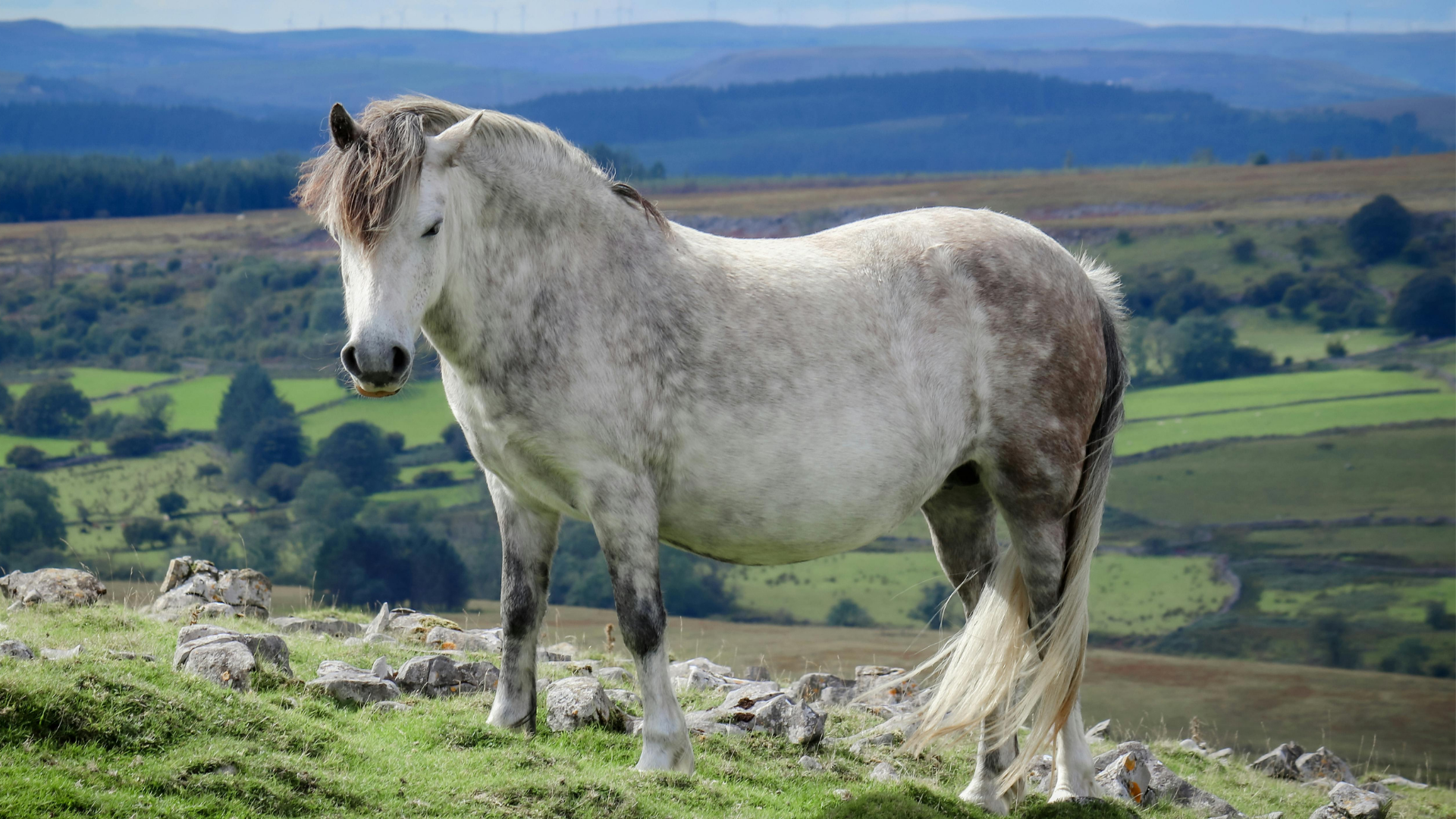
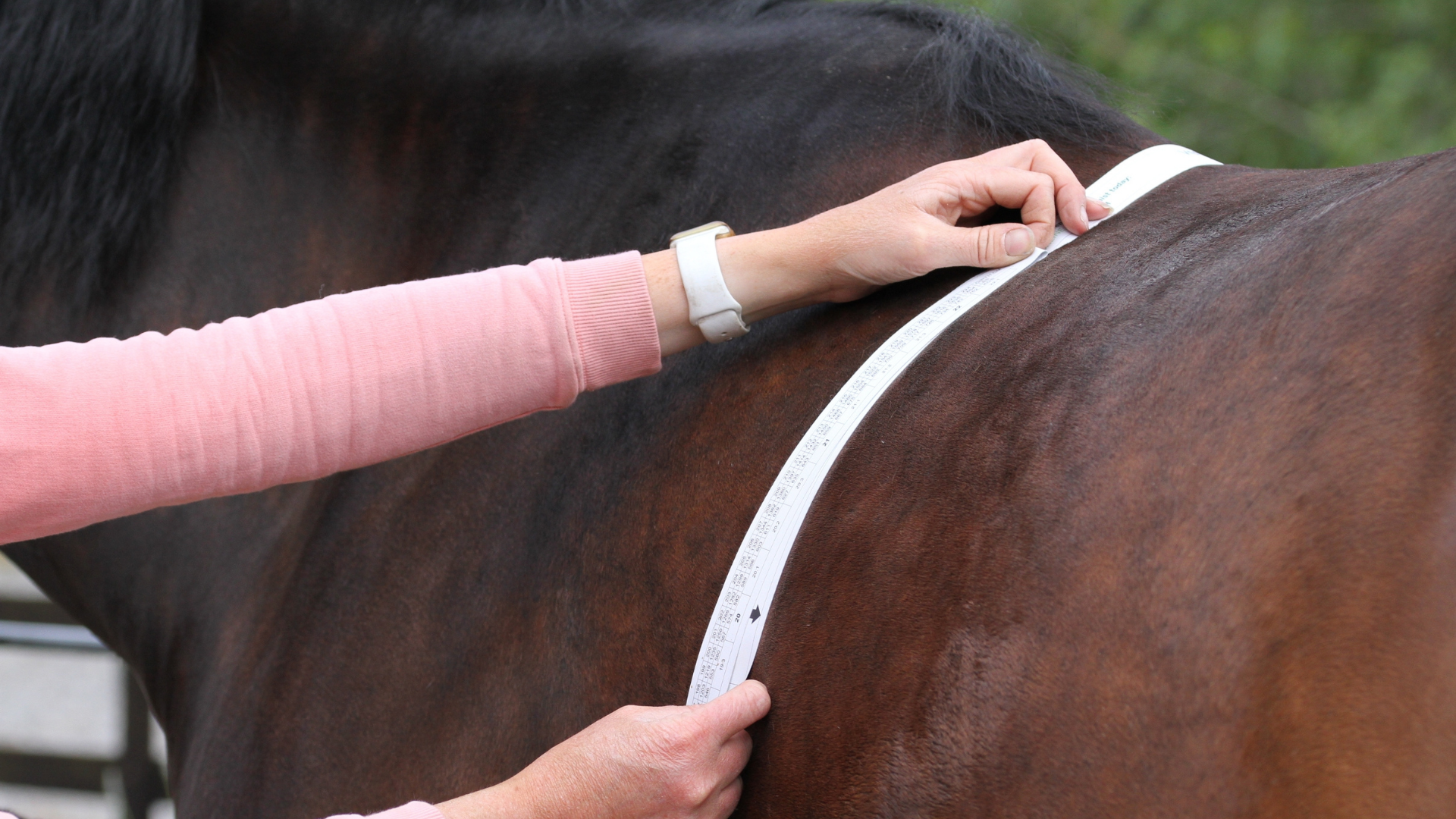
Keeping horses healthy, athletic, and looking their best starts with smart nutrition — and one of the simplest, most cost‑effective tools we have is Body Condition Scoring (BCS). By using a 1–9 scale and assessing key areas like the ribs, neck, withers, shoulders, and tailhead, owners can gauge a horse’s fat cover and overall energy reserves. Regular scoring helps you decide whether your horse needs to gain, lose, or maintain weight — and guides you toward the right feeding plan.
Areas of Emphasis for Body Condition Scoring
1. Thickening of the Neck
2. Fat covering the Withers
3. Fat deposits along Backbone
4. Point of the Hip
5. Fat deposits around Tailhead
6. Point of the Buttocks
7. Fat deposits on Inner Thigh
8. Fat deposits on Flanks
9. Fat deposit behind Shoulder
10. Fat covering Ribs
11. Shoulder blends into Neck
1 - POOR
Severely emaciated—bones sharply visible across the body with no detectable fat
2 - VERY THIN
Emaciated—bones prominent throughout, with only a trace of fat and faint muscle definition.
Bones remain prominent along the spine, ribs, hips, and tailhead
Slight fat over the spinous processes; lumbar transverse processes feel rounded
Withers, shoulders, and neck show faint but noticeable skeletal definition.
3 - THIN
Moderate fat cover, but ribs and spine still visible; tailhead prominent and topline features accentuated.
Fat halfway up the spinous processes; ribs and spine still visible despite slight fat cover
Transverse processes not felt; tailhead prominent but individual vertebrae not visible
Point of hip is rounded yet discernable; withers, shoulders, and neck remain accentuated
4 - MODERATE THIN
Slight topline ridge and faint ribs; tailhead padded, but withers, shoulders, and neck remain noticeably thin.
Slight ridge along the back with a faint outline of ribs
Tailhead shows some prominence, but fat is easily felt around it
Point of hip is not visible; withers, shoulders, and neck remain obviously thin
5 - MODERATE
Flat back, ribs felt but not seen, spongy tailhead fat, and a smooth, rounded topline.
Flat back with ribs not visible but easy to feel
Spongy fat beginning to form around the tailhead
Rounded withers and smooth blending of shoulder and neck into the body
6 - MODERATE FLESHY
Slight back crease, spongy rib and tailhead fat, and soft deposits forming along withers, shoulders, and neck.
Slight crease along the back with fleshy, spongy fat over the ribs
Soft fat around the tailhead
Early fat deposits along withers, behind shoulders, and along the neck
7 - FLESHY
Back crease present; ribs feelable but padded; soft tailhead fat and clear deposits along withers, shoulders, and neck.
Back may show a crease; ribs feelable but padded with fat between them
Soft fat around the tailhead
Clear fat deposits along withers, behind shoulders, and along the neck
8 - FAT
Deep back crease, ribs hard to feel, very soft tailhead fat, and heavy deposits along withers, shoulders, neck, and inner thighs.
Deep back crease with ribs difficult to feel and very soft fat around the tailhead
Heavy fat deposits along withers, behind shoulders, and through the neck
Noticeable inner‑thigh fat creating a thick, rounded appearance
9 - EXTREMELY FAT
Deep back crease with patchy, bulging fat at the tailhead, withers, shoulders, and neck.